
If you have been charged with a drug or driving offence in central Victoria, your case will most likely be heard at the Bendigo Magistrates’ Court. Knowing what happens on the day, and what your options are before you walk in, makes a real difference to the outcome. This guide explains the process, the common charges, and how a drug offence lawyer Bendigo clients can rely on helps.
Our team appears at Bendigo regularly and knows how the court runs, from the registry to the duty lists.
Where is the Bendigo Magistrates’ Court?
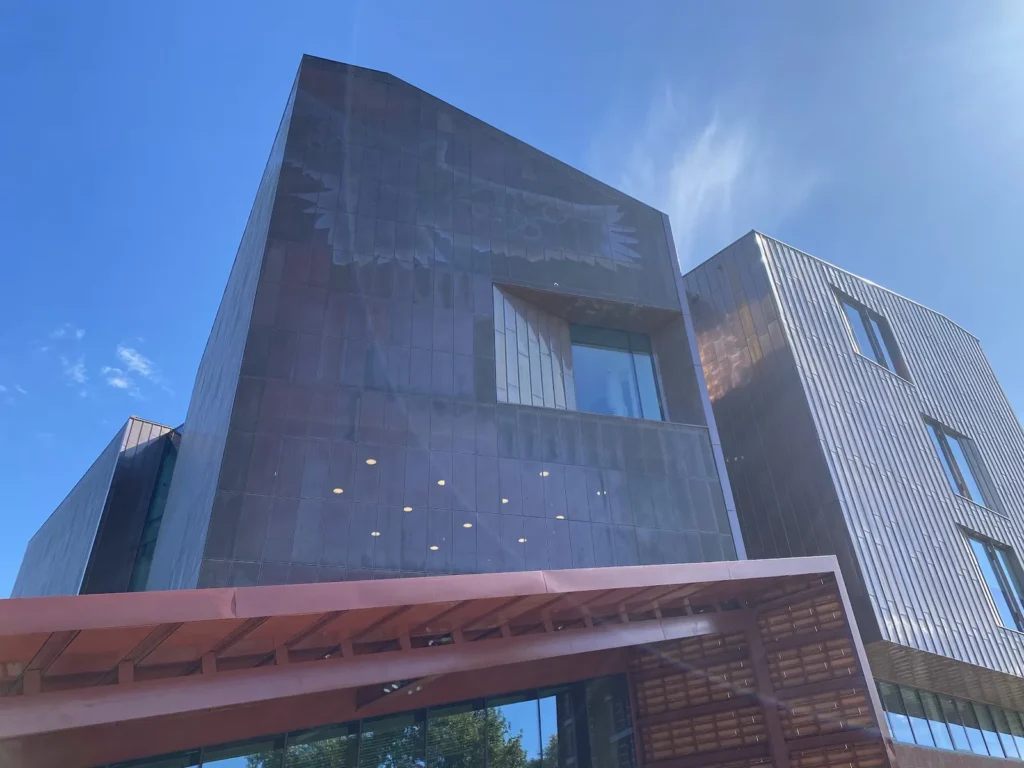
The Magistrates’ Court sits in the Bendigo Law Courts building at 188 Hargreaves Street, on the corner of Hargreaves and Mundy Streets. The building also houses the County Court, Supreme Court, Children’s Court and VCAT. Use the Hargreaves Street entrance for the Magistrates’ Court (the Mundy Street entrance is for the Children’s Court). The building is open Monday to Friday, 8:30am to 4:30pm. See the Bendigo Law Courts website and our guide to the Bendigo Law Courts for parking and facilities.
How a charge gets to court
Most drug and traffic matters start in one of three ways:
- Charge and summons: police file a charge-sheet and you receive a summons with a court date.
- Charge and bail: you are charged, released on bail and told when to attend court.
- Infringement notice: for many traffic offences you get a fine and demerit points. You can pay it, ask for an internal review, or elect to have the matter heard in court.
Your first court date is usually a mention. Nothing is decided against you at a mention unless you choose to plead guilty that day. It is a chance to get the police brief of evidence, talk to the prosecutor, and decide on a plan. If the matter is going to be contested, it is usually adjourned to a contest mention and then a hearing on another day.
Common drug charges
Drug offences in Victoria are mainly found in the Drugs, Poisons and Controlled Substances Act 1981 (Vic). The charges we see most often at Bendigo are:
- Possession of a drug of dependence: having a drug on you, in your car or in premises you occupy, knowing it is there.
- Use of a drug of dependence: often charged alongside possession.
- Cultivation: growing cannabis or other plants.
- Trafficking: which covers selling, preparing or offering to sell, not just large-scale dealing.
The law sets quantity thresholds for each drug: small, traffickable, commercial and large commercial quantities. The quantity matters a great deal. Being found with a traffickable quantity can expose you to a trafficking allegation, and the commercial-quantity offences are serious indictable charges that carry very long maximum penalties and are usually dealt with in the County Court. Lower-level trafficking and possession matters are commonly finalised in the Magistrates’ Court.
Defences often turn on whether police can prove you knew about the drugs, whether the search was lawful, and whether the substance has been properly analysed. Read more in our article on defending drug charges.
Is there a Drug Court in Bendigo?
The Drug Court of Victoria is a specialist division that supervises treatment-based sentences for people whose offending is linked to drug or alcohol dependence. It sits only at certain venues, and Bendigo is not currently listed as one of them. That does not mean treatment is off the table. A Bendigo magistrate can still take your rehabilitation into account, and programs such as CISP (below) operate at Bendigo.
Diversion and CISP
Diversion
The Criminal Justice Diversion Program allows some people, especially first-time offenders, to avoid a finding of guilt. To be eligible, you must acknowledge responsibility for the offending, and both the prosecution and the court must agree it is appropriate. The case is adjourned (for up to 12 months) while you complete conditions such as counselling, a drug education course or paying compensation. If you complete the plan, the charge is discharged without a finding of guilt. The Sentencing Advisory Council explains the program.
For small amounts of cannabis and some other drugs, police may also offer a caution or drug diversion before a matter ever reaches court. If that was not offered, a lawyer can raise diversion with the prosecutor.
Court Integrated Services Program (CISP)
CISP is a bail support program that connects people with drug and alcohol treatment, housing, mental health and disability services. It runs at the Bendigo Law Courts and usually lasts around four months, with regular check-ins before a magistrate. You must agree to take part, and you can be referred by your lawyer, police, the magistrate or yourself. Successful participation in CISP is often a strong point in your favour at sentencing. See the Magistrates’ Court CISP page.
Common traffic matters at Bendigo
As a traffic offence lawyer Bendigo drivers call on, we regularly deal with:
- Drink driving and drug driving: including failing a preliminary breath or oral fluid test, and refusing a test.
- Speeding: particularly higher-range speeding that leads to licence suspension.
- Unlicensed driving and driving while suspended or disqualified.
- Careless or dangerous driving.
For many of these offences, licence loss is the outcome people worry about most. Depending on the offence and your history, the court may cancel your licence and disqualify you from driving for a set period. When the disqualification ends, you may need a licence eligibility order. For drug driving and some serious motor vehicle offences you apply to the Magistrates’ Court, while for drink driving the process runs through VicRoads (Transport Victoria). Conditions such as a behaviour change program or an alcohol interlock can also apply. The Magistrates’ Court has more information.
What to bring to court
- Your summons, charge-sheet, bail papers or infringement notice.
- Photo ID and your driver licence.
- Any brief of evidence or letters from police.
- References from employers, community members or family (signed and dated, and addressed to the presiding magistrate).
- Evidence of treatment or counselling, such as letters from your GP, psychologist or a drug and alcohol service.
- If your licence is at stake, evidence of why you need to drive, for example for work or caring duties.
Arrive early, allow for security screening, and expect to be at court for most of the day.
Plead guilty or contest the charge?
This is the most important decision you will make. Pleading guilty early can be taken into account in your favour, and a well-prepared plea, with references and evidence of rehabilitation, can significantly change the sentence. In some cases it is possible to avoid a conviction being recorded.
Contesting makes sense where the evidence is weak, the search or test was unlawful, or the charge does not match what actually happened. Often the best result comes from negotiating with police to withdraw some charges or amend the facts before a plea. You should never decide without first seeing the police brief and getting advice.
Why local representation helps
Every court has its own rhythm. Knowing how the Bendigo registry, prosecutors and support services work, and what the bench expects from a plea, helps your matter run smoothly and saves time on the day. Because we appear at Bendigo often, we can usually deal with your matter efficiently, speak to the police prosecutor early, and make sure your references and treatment material are presented properly.
Frequently asked questions
It is in the Bendigo Law Courts building at 188 Hargreaves Street, Bendigo, on the corner of Hargreaves and Mundy Streets. Use the Hargreaves Street entrance for the Magistrates’ Court.
For many drink and drug driving offences, licence cancellation and a period of disqualification apply, and you may need a licence eligibility order before you can drive again. The exact outcome depends on the offence, the reading and your history, so get advice before court.
Possibly. Diversion is mainly for less serious matters and people with little or no criminal history. You must acknowledge responsibility, and the prosecution and court must agree. If you complete the diversion plan, the charge is discharged without a finding of guilt.
The Drug Court of Victoria sits only at certain venues and Bendigo is not currently listed as one of them. Treatment can still be taken into account at Bendigo, and the CISP bail support program operates there.
The first date is usually a mention. You can get the police brief, talk with the prosecutor, and decide whether to plead guilty, seek diversion or contest the charge. A matter can be adjourned if you need more time.
You can represent yourself, but advice is worth getting where your licence, a conviction or a possible jail term is at stake. A lawyer can check the evidence, negotiate with police and present your plea effectively.
Talk to a Bendigo criminal lawyer
If you have a drug or traffic matter listed at Bendigo, get advice before your first court date. Our Bendigo criminal lawyers can review the charges, explain your options and represent you at court. Learn more about our criminal defence services.